
Eco-friendly compostable packaging in Corbett hotels is a guest-experience decision, not a regulatory one
Eco-friendly compostable packaging for hotels in the Corbett belt has less to do with Uttarakhand's single-use plastic restrictions and everything to do with what a guest notices when they arrive at a jungle lodge at dusk. The moment they unwrap a bamboo-fibre tray at breakfast or find a plantable seed-paper pouch at turndown, something shifts. The property stops feeling like an overnight stay and starts feeling like a considered choice. That shift — invisible to a compliance spreadsheet, unmistakeable to a guest — is where pricing power is built.
Boutique eco-lodges around Ramnagar, Corbett, and Nainital have spent the last few seasons learning this distinction the hard way. Properties that switched to compostables purely to satisfy inspection requirements chose the cheapest available SKU, trained no one, and gained nothing. Properties that treated the switch as a brand statement made deliberate choices at every touchpoint — and found that their average daily rates held, or rose, even as the broader market softened.
This post is for the second group, or for properties ready to join it.
The Uttarakhand guest has changed — and so has what they notice
Today's Uttarakhand leisure traveller researching eco-lodges near Corbett is not the same traveller who booked a jungle camp a decade ago. A meaningful and growing segment arrives having already read your sustainability page, scrolled your tagged guest photos, and formed an opinion before check-in. They are not looking for greenwashing. They are looking for coherence — a property where the ethos visible in the marketing is equally visible in the dining room, the bathroom, and the jungle picnic hamper.
Packaging is one of the most legible signals of that coherence. A kraft-pulp clamshell sitting next to a polystyrene soup lid sends a message no amount of lobby signage can undo. Conversely, a fully compostable breakfast spread — sugarcane-bagasse plates, CPLA cutlery, unbleached kraft napkins — reads as intentional even to a guest who cannot name any of those materials. The aesthetic alone communicates care.
This is why the conversation around eco-packaging in the Corbett belt needs to be reframed. The question is not "what must we switch to avoid a fine?" The question is "what do we want a guest to feel when they sit down to breakfast in our jungle dining room?"
Where compostable packaging earns its keep in a lodge operation
Not every packaging decision carries equal weight with guests. The highest-visibility moments — and therefore the highest-return packaging investments — tend to cluster in a few operational areas.
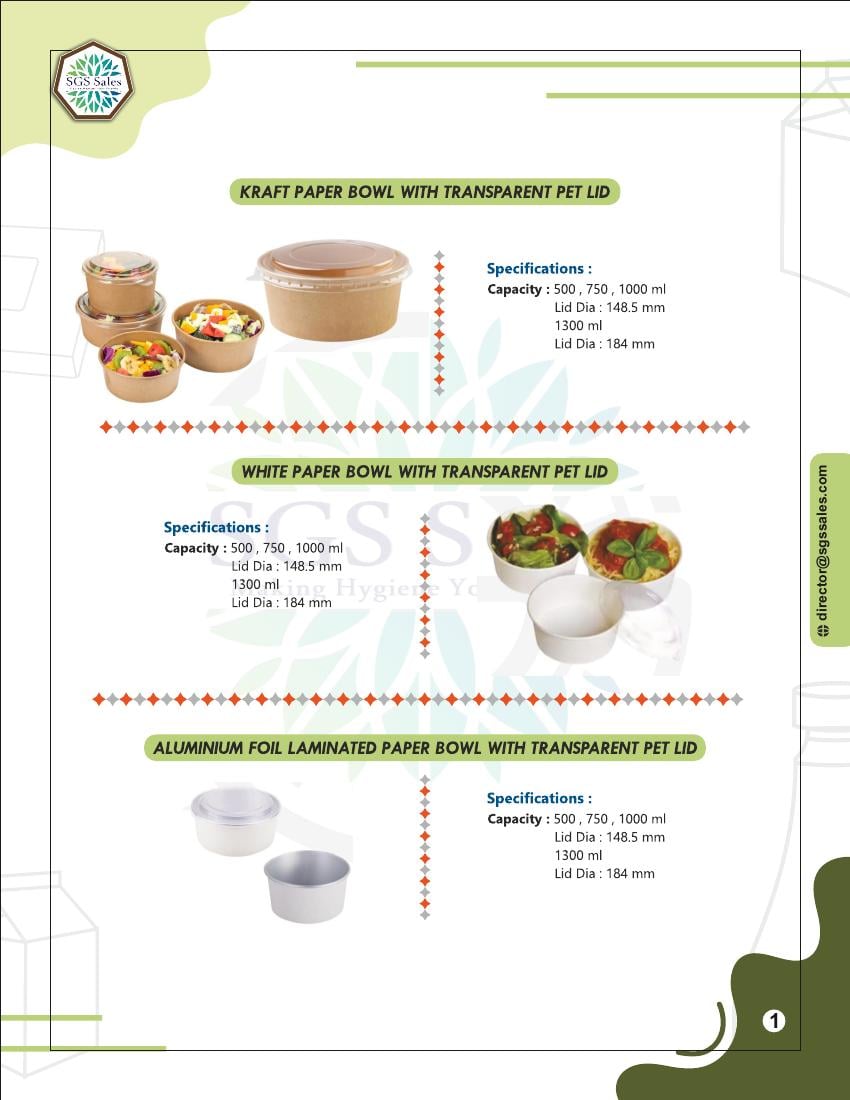
- Outdoor and picnic service. Jungle walks with packed lunches, riverside teas, vehicle-borne safari breakfasts — these are the experiences guests photograph and share most reliably. A kraft bowl with a wooden spoon photographs beautifully. A wrapped polystyrene cup does not.
- Buffet and live-station disposables. Larger properties running buffet-format dining generate significant disposable volume. Switching the entire service line to bagasse or moulded-fibre formats creates visual consistency and allows staff to speak knowledgeably about materials when guests ask.
- Amenity wrapping and in-room presentation. Plantable-paper wrapping for soap, unbleached kraft bands on towel sets, seed-embedded cards at turndown — low-volume, high-perception touchpoints where the cost delta over conventional packaging is negligible but the guest impression is disproportionate.
- Staff canteen and back-of-house. Operationally consistent properties extend compostable formats to staff meals and kitchen prep where possible. It signals internal conviction rather than front-of-house theatre — and staff who believe in the standard explain it better to guests.
Compostable does not mean fragile — the operational reality
One persistent objection from F&B managers is that compostable packaging performs poorly in real service conditions: lids leak, plates go soggy under hot food, CPLA cutlery snaps. These concerns are legitimate when they describe first-generation formats or budget SKUs purchased without evaluation. They do not describe the current state of the category.
Moulded-bagasse plates now reliably handle hot, wet, and oily foods for service windows of an hour or more. Double-walled kraft cups maintain structural integrity through a full safari morning. CPLA cutlery rated for hot food performs comparably to conventional plastic across typical HORECA service temperatures. The key is specification: buying on price alone, without checking heat-resistance ratings and grease-barrier performance, produces exactly the failures that give the category a bad reputation.
Sourcing from a distributor with HORECA-specific knowledge matters here. An eco-lodge in Ramnagar does not have the purchasing volume to run a format trial across six SKU families on its own. A distributor who has already done that evaluation across a client base — and can recommend formats that have held up in comparable properties — shortens the adoption curve considerably.
Pricing power: the case that packaging upgrades pay for themselves
Compostable packaging costs more per unit than conventional disposables. This is a fact, and any supplier who tells you otherwise is not being straightforward. The relevant question is not whether the per-unit cost is higher — it is whether the aggregate investment returns more than it costs across your revenue model.
Consider the calculus for a boutique eco-lodge with fifty keys. The incremental cost of upgrading all food-service disposables and in-room packaging to compostable formats is a defined line item — typically absorbed within the food-and-beverage cost percentage if sourced efficiently. The return side of the ledger is less tidy but more significant: improved positioning in the upper segment, stronger review sentiment around sustainability, eligibility for eco-certification programmes that carry genuine third-party credibility with urban Indian and international travellers, and the ability to name a specific standard in your marketing rather than using vague language.
Properties that have made this shift deliberately — treating it as a brand investment rather than a compliance cost — consistently report that the packaging decision is one of the easiest to defend to ownership, because its effects show up in guest feedback before they show up in occupancy data.
Getting supply right in the Corbett belt
The Corbett and Kumaon region presents real supply challenges. Delivery infrastructure thins out past Ramnagar. Minimum order quantities set for urban accounts do not suit the seasonal rhythms of a forty-key jungle lodge. And the category is still young enough that product consistency between orders can vary when sourcing without attention to specifications.
Working with a regional HORECA distributor who understands these constraints — and who consolidates eco-packaging alongside the rest of a property's F&B and housekeeping supply — eliminates most of the friction. Single-sourcing across categories means a single delivery cadence, a single account relationship, and a single point of accountability when something is out of specification.
SGS Sales supplies eco-friendly compostable packaging across the UP-Uttarakhand belt from offices in Moradabad and Noida, with established delivery routes into the Corbett and Nainital corridor. Our eco packaging range sits alongside our full disposables catalogue and the rest of our hotel supply offering — so properties can consolidate rather than manage four separate vendor relationships for a single property.
If you are evaluating a packaging upgrade for an upcoming season — or want to understand which formats have performed well in comparable properties — reach out through our contact page. We are happy to discuss specifications before any order is placed.